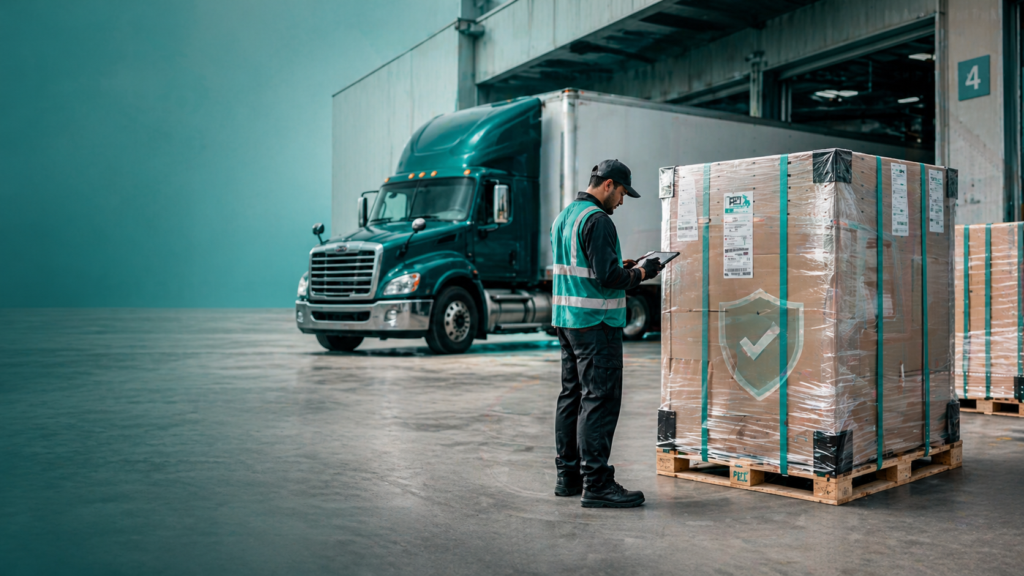
A cargo claim is not just an occasional mishap here in the US, it is a predictable cost and it’s best practise for you to factor them into budgets when you’re moving freight at a large scale. The fact that there are more than 55.5 million tons of freight moved per day across the nation. With trucks alone recorded to have moved more than 11.7 billion tons through 2024, with freight moving at this level, the exposure to delays, damages, loss and theft is enormous. So, it’s no wonder that cargo claims are filed thick and fast in the states.
That level of movement also means, that even what might seem like a small failure rate can have a huge financial impact. Businesses rely on claims to recoup losses from delays, damages, lost cargo and theft, etc. LTL freight alone showed 1.24% of shipments resulted in damages or loss claims in the year. This rate equates to roughly 1 in every 80 shipments ending with a claim. All of this along with the ever rising levels of cargo theft, where theft alone translated to $725 million of losses in the US through 2025 means we’re seeing the number of claims consistently growing.
The Root Causes Of Most Claims Come From The Following 🚨
Damages
Freight can become damaged in many different ways, whether it’s improper packaging, careless loading and unloading, rough transport or poor stacking in the truck.
Lost Cargo
Misplacing cargo when transloading to the wrong truck can lead to lost goods. This can create delays while tracking down the goods or complete loss altogether, both of which would mean a claim.
Shortage
Miscounting at pick up and delivery can result in shortages.
Theft
Theft during transit or at cargo hubs are real risks.
Temperature Failures
Improper refrigeration in a truck trailer can cause spoilage to perishable items.
Freight fraud
Freight fraud is huge in the US at the moment, and entire truckloads of freight can be stolen by scammers posing as fake carriers.
Transport accidents
Road traffic accidents and equipment failures can end in severe delays and/or damaged freight.
So how can shippers and carriers work together to minimize the amount of mishaps before, during and after transit. In this blog we will discuss practical tips that you can implement before your load even hits the road and subsequently avoid damages, delays and other factors leading to you having to make a cargo claim.
Why Cargo Claim Exposure Starts Before Transit 🤔
What do we mean by minimize risk before transit? Most associate a cargo claim with an accident that happens during movement, but the exposure starts earlier than that. Cargo claim exposure actually begins in the preparation phase of your freights journey. Once a shipment goes missing, is damaged, delayed, stolen or misdelivered most of the time the biggest risk factor was set in motion before the load even headed out on the road, because of these key factors:
1.Cargo condition
Cargo that is already damaged or packaged poorly is at much higher risk of further damage in transit.
2.Storage risks
Cargo is often stored in warehouses or other cargo hubs where it can be exposed to unnecessary and mishandling, temperature changes, damages from knocks from workers doing their daily tasks and potentially weather conditions, etc.
3.Proactive survey and early start on claims
This one is more about how cargo claims are processed and the steps to take to maximise the chances of them being paid out. Carry out surveys on your freight before it leaves and note the state. These pre-checks can prevent disputes later in the claims process.
All of these factors can influence the likelihood and severity of a claim. To ensure your shipment is covered to its maximum potential, check packaging is strong, accurate documentation is in place, and perform thorough risk assessments before the cargo leaves its pick up.
How Can You Reduce Your Exposure To Claims 🛡
There are other “outside of the box” measures and some more obvious ones that shippers and their freight partner can put in place to avoid being exposed to scenarios that could end in them needing to make a claim.
1.Splitting high-value shipments can lower claim exposure
If you’re moving high value shipments made up of multiple pieces, then we cannot stress enough the importance of splitting up the freight across multiple shipments. Although it does not reduce the chances of a problem arising, it does reduce the claim exposure tied to one shipment.
Here’s a few ways that it can be beneficial to split your shipments:
Not all inventory is affected should things go wrong. When you split a load between multiple trucks, if one truckload is delayed, stolen, damaged or lost it’s only one portion of your goods that you need to claim for.
A claim is only needed for part of the total value. If you’re shipping hundreds of pallets of expensive alcohol for example between four truckloads, and one truck goes missing, gets damaged, etc. You still have 3/4 of your inventory and only need to claim for a fraction of the total value.
Avoid too much financial risk on one load. As opposed to shipping on one truck, where you could lose the entire value and have to jump through more hoops for a larger claim (there tends to be more push back from insurers, the larger the claim is).
The load becomes less appealing to thieves. When you dilute the value of a shipment, or split up an expensive piece of machinery for example, thieves will be far less inclined to steal these loads.
Business can continue as normal. When you don’t put “all of your eggs into one basket “, in our case freight on one truck, you can maintain business continuity when the other unaffected shipments arrive. All the while a claim can be processed in the background for the missing, damaged or lost freight.
2.Create a pre-shipment risk checklist
A pre-shipment risk checklist is one of the simplest, yet most effective ways to reduce claim exposure. A ton of claims are filed because small details are missed before the freight has left a facility. A pre-shipping checklist can help to minimize claim exposure. The checklist should include basic but important questions, like:
- Is the freight packaged correctly?
- Is it labelled clearly?
- Has the piece count been verified?
- Are high-value goods packaged discreetly?
- Does the bill of lading match the actual freight?
- Are the pick up and delivery addresses correct?
- Is the temperature of the reefer set correctly?
Build your checklist to suit your shipment needs and you will be that one step closer to better protecting your freight.
3.Reduce theft and misdelivery risk before dispatch
Vetting your carrier is arguably one of the most important steps in moving your freight. There are so many fraudsters and scammers around these days, and once they get their mitts on your loads it can be extremely difficult and sometimes impossible to recover the goods. What makes this even more difficult, is that once the load is handed over to the wrong driver or fraudulant carrier it’s often the complete shipment lost.
To verify a carriers legitimacy, you should:
- Check the carriers USDOT/MC number on the FMCSA database.
- Check a carriers safety rating in the FMCSA system.
- Check reviews to verify reputation.
- Verify the carriers operating address is legitimate.
- Check a carriers permits align with your needs.
You can never be too careful when vetting carriers, even go as far as checking them out on Trust Pilot, read their most recent reviews and ask around for other peoples experience with them.
4.Avoid creating single points of failure in your supply chain
A single point of failure means any singular point in your supply chain where one mistake can create huge disruptions. This could be relying on one carrier for your high value shipments, shipping all inventory in one truck, not having back up capacity during peak times, etc. You should build into your freight strategy vetting multiple carriers, having backup delivery options available, as we mentioned earlier splitting high value loads and using backup routes to avoid congestion, etc.
Having a plan B and C even, can significantly reduce your exposure to cargo claims.
The Importance Of Cargo Insurance 📋
Freight never moves without risk. When issues arise, financial and operational impacts can be significant. This is why cargo insurance will always be an integral part of shipping strategies. While of course prevention should always be a number one focus, insurance provides a safety blanket should things go wrong despite putting up those guard rails to protect your freight and business as a whole. Insurance can help with the following:
1.Protection against financial loss
Without comprehensive cover in place a business could be left to absorb all of the cost from lost, damaged or delayed freight. The difference between having insurance could be huge as it can bridge the gap between limited carrier liability and the actual cost of the goods. This would mean much less outlay from your pocket.
2.Business continuity
Insurance helps businesses to remain operational and protect their relationships with customers, by mitigating the financial impact of issues related to their freight. When businesses can recoup the full value of a shipment, they’re able to replace stock and deliver as promised to their customers without much lag time.
3.Special insurance policies for specialized cargo and all different eventualities
There are multiple insurance options and special policies to offer protection of your highest value freight, fragile goods and overdimensional shipments. Certain insurances also cover a whole menu of situations, including natural disasters, theft, and accidents. Always double check your policies, it’s always better to have insurance and not need it. Than to need it, but not have it.
4.Carrier liability does not cover entire value
Carriers legally do not have to take liability for the entire value of a shipment should things take a turn. They tend to pay out cents per pound of freight when it is damaged, etc. When you don’t have insurance, you as the shipper will most likely bare the cost of the loss.
Why Insurances Might Void A Policy And Not Pay Out 🚫
Insurance can be a fantastic safety net and in a lot of situations pay outs are prompt. However, relying solely on your insurance policy isn’t always enough, because cargo claim rejection rates are also on the up, especially when they’re filed without expert assistance.
Here’s some key trends we’re seeing for cargo claim rejections:
1.Rising levels of strategic theft
Scammers and theft activity is becoming more and more elaborate. Especially people posing as fake brokers on load boards and then disappearing with loads, leaving shippers with denied claims when “phantom” carriers leave them in the lurch.
2.Blaming inherent vices in the cargo
Some insurers will blame the cargos characteristics to classify damages caused by the nature of the goods themselves, instead of external factors playing a part. For example, produce that could spoil. This can make it incredibly hard to fight a rejection.
3.Document failures
Shipping any kind of freight comes with a ton of paperwork. And incomplete documentation like: failure to document and report damage right away, temperature recording failures on refrigerated units, etc. all lead to claim rejections. Cover yourself, always. Even if you wind up writing useless notes, the more you document and gather evidence, take photos even! Then the more evidence there is to back up your claims.
4.Less cover for cheaper rates
A lot more shippers and carriers are taking out insurance policies that are stricter and come with more exclusions, and they’re doing this to get lower insurance rates. But, with less coverage, when things go wrong there’s more room for rejection if the T’s and C’s don’t cover the issue at hand.
Conclusion 🎯
By focusing on reducing risks before the move begins, you can stop worrying after the fact about what happens after something has already gone wrong. Prior preparation cannot eliminate the risks associated with moving freight, but it is the most effective way of reducing them and in turn your cargo claim exposure. And perhaps the most important message to take away from this blog is that, prior preparation matters, but also insurance is crucial for those scenarios that cannot be avoided.
If you’re truly looking to reduce your cargo claim exposure, then another solution is to partner with the best in the game. We’re not big headed or anything, but we think we’re pretty great and can help to move your goods in the safest way possible. Want to learn more about how we can move your freight? Reach out to us directly on: Phone: 888-SHIP-911 or by using the link below. ⬇️ We can’t wait to hear from you!
Need help with any of your specialized shipments?
Today can be the day you stop struggling with your logistics problems.
At PEI we’re experts in dealing with specialized freight and can handle yours with any custom requirements.
Need help planning a shipment?
Talk with PEI about expedited freight, specialized freight, or your next shipping challenge.
